

Your Pet's Best Day Home Alone: Sunbeams, Quiet Nights, and Smart Shades

Think about your pet's day from their side of the glass. The cat follows a sunbeam across the floor from 10 AM to 3 PM. The dog has a running feud with the mail carrier. The budgie wakes at first light whether you like it or not. You are at work for most of it, but the window is not. With a few small automations, it can look after them while you are gone.
Cats: Bring the Sunbeam and the Birds
For indoor cats, a window works like television, a hunting blind, and a heated bed at once. Shelter and behavior writers consistently point to window watching as one of the simplest forms of enrichment, with less boredom-driven scratching and yowling as a common result. Sunlight also helps keep a cat's sleep and wake rhythm steady.
The catch is that a shade left closed all day for privacy takes all of that away. Try a routine that opens the cat's favorite window partway mid-morning and lowers it again before the room gets too warm. A 40 or 50 percent position usually leaves plenty of view and sun on the sill without flooding the whole room.
Extra credit: hang a bird feeder or plant a few flowers within sight of that window. Birds feed throughout the day, which gives your cat a show that changes every hour. Pair it with a sturdy window perch and you have a reason for your cat to get up and move.
Dogs: Fewer Doorbell Villains, More Naps
For a lot of dogs, the front window is a full-time security job. Every jogger, delivery van, and squirrel is a threat to bark at, and a dog alone at home has nobody to tell them to stand down. Trainers almost always start with the same advice: reduce what the dog can see, then work on training when you are home.
You probably already know when the worst stretches are. Mail delivery, school dismissal, and the after-work dog-walking rush tend to land at the same time every day. Schedule the street-facing shade to close before those windows and reopen afterward, so the living room stays bright the rest of the day. Leave a food puzzle or a frozen treat toy out before you go, and the quiet hour becomes snack time instead of guard duty.
If your dog finds the view relaxing rather than stressful, do the opposite and keep it open. Every dog is different, and the point is that you can pick.
Keep the Room From Overheating
Pet welfare groups warn that a closed-up room in full sun can get uncomfortably hot, especially south- and west-facing rooms and top-floor apartments. Dogs cool themselves mostly by panting, so a hot afternoon is harder on them than it looks. Watch for heavy panting, drooling, or lethargy when you get home.
A simple fix is a midday routine that lowers the shades on the sunniest side of the house during the hottest hours. If you use a Nest thermostat, there is even an IFTTT applet that closes RYSE shades when the room temperature rises. Shades are a helper, not a replacement for air conditioning or a cool room on a truly hot day, so always leave water and a shaded spot to retreat to.
Birds: Protect Their Bedtime
Avian vets generally recommend 10 to 12 hours of darkness for most pet birds each night. A bird whose cage sits in the living room often gets far less, thanks to streetlights, headlights, and a household that stays up late. Short nights can affect mood and, for some species, trigger hormonal behavior.
- Sunset routine: close the shades in the bird's room at sunset so the room goes dark on schedule, even as the seasons change.
- Late morning on weekends: if the household is up past 10 PM, keep that shade closed later the next morning so your bird still gets its full night.
- Daytime light: let in natural light during the day, but keep the cage out of direct, harsh sun. Window glass blocks most UVB, so ask your avian vet whether your bird also needs a full-spectrum lamp.
A cage cover still helps, and some birds, like cockatiels, prefer a small night light to avoid night frights. The shade simply takes care of the light coming in from outside.
Fireworks and Storm Nights, Handled Ahead of Time
Fourth of July, Canada Day, New Year's Eve: the nights are predictable, and so is the panic for noise-sensitive pets. Vets and humane societies repeat the same checklist every year. Close windows and curtains to soften the flashes and noise, start music or white noise before the first bang, and set up a quiet hiding spot. Some pets react more to the bright flashes than the sound.
This is where a little automation shines, because the shades are closed before anyone remembers:
- The annual trigger: IFTTT's Date & Time service can fire once a year on a date and time you choose. Set one for July 4 at 7:30 PM that closes every RYSE shade in the house, and it will happen every year whether you are home or at the barbecue.
- The calendar trigger: IFTTT can also watch your Google Calendar for an event containing a keyword, such as "Fireworks", and fire a set number of minutes before it starts. Add your town's display, a hockey game with a celebration, or a neighbor's party to your calendar, and the shades close in time. This trigger needs an IFTTT Pro plan.
- The panic button: for a surprise thunderstorm, keep a "Storm Mode" group ready in the RYSE app, or tie it to an IFTTT button widget on your phone, so one tap closes everything.
If your pet's anxiety is severe, talk to your vet before the season starts. Closed shades help, but they are one part of the plan.
Let the Whole House Run the Routine
Shades are only one piece of a comfortable day. The other helpers worth considering are the ones that keep basic needs steady when you are running late:
- Automatic feeder: keeps meals on time if you are stuck in traffic. Set portions with your vet's guidance and check that it dispenses reliably before you depend on it.
- Water fountain: moving water encourages many cats to drink more. Clean it and change the filter on the maker's schedule.
- Smart plug: put a fan or white noise machine on one so it can switch on with the rest of your routine.
- Pet camera: check in, see how the new shade schedule is going, and adjust.
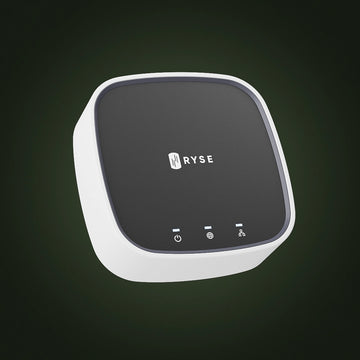
With a SmartBridge, RYSE shades work with Alexa, Google Home, and Apple HomeKit, so you can group them into one scene. Picture a "Fireworks Night" Alexa routine that closes the shades, turns on the white noise plug, and dims the lights with a single phrase. Or a HomeKit "Pet Bedtime" automation at sunset that lowers the bird room shade and switches off the bright lamp beside the cage. For more trigger ideas, our post on creative ways to automate RYSE with IFTTT has a dozen.
One Less Cord for Curious Paws
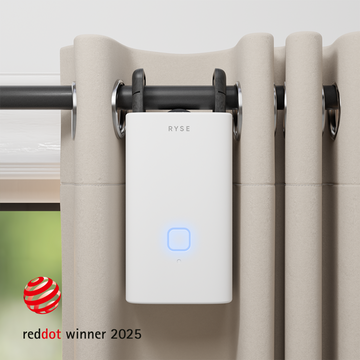
Safety groups have warned for years that loose window cords can tangle pets as well as children, and cats in particular treat a dangling loop like a toy. A RYSE SmartShade mounts beside the window and keeps the beaded chain taut, so it is no longer swinging at paw height. For a chewer, the wire-free SmartShade skips the power cable too.
Setting It Up
Scheduled routines need a SmartBridge. In the RYSE app, tap Routines, then Create Routine, pick the windows, the time or sunrise/sunset, the days, and the position. The help center's Creating a Routine guide walks through it with screenshots, and you can toggle a routine off when you are home for the day. For IFTTT recipes, start at the RYSE page on IFTTT.
Start With One Window
Pick the window your pet loves most, set one routine, and watch for a week. The cat that finds a new sunbeam, the dog that naps through the mail delivery, the bird that greets the morning instead of grumbling at it: those are the signs it is working. Then add the next one.
Share with your community!
In this article
Sign up for our newsletter
Latest from experts

The Cozy Hour: Smart Shade Rituals for Warmer, Softer Fall Evenings

Halloween Night, Handled: Shade Scenes for Trick-or-Treaters, Nervous Pets, and Spooky Silhouettes
